Bird Feeder Cameras: Best Picks & Buying Guide (2026)
Let’s Start With a Small Story
Daniel had always loved watching birds from his kitchen window, but he could never quite figure out which species kept visiting his backyard feeder. One morning, half-asleep with his coffee, he glanced outside just in time to see a flash of red and blue — but by the time he grabbed his phone, the bird was already gone. Frustrated by missing these moments over and over, he finally decided to invest in a bird feeder camera. Within a week, his phone was full of crisp, close-up photos of cardinals, blue jays, and even a rare woodpecker he never knew visited his yard. What used to be a blurry guessing game became a genuinely exciting daily discovery.
Daniel’s experience is exactly why bird feeder cameras have become one of the most talked-about additions to backyard birdwatching. In this guide, we’ll cover everything you need to know — how they work, why they’re worth it, what to look for, and the pros and cons before you buy one.
Introduction: Why Bird Feeder Cameras Are Changing Backyard Birdwatching
Traditional bird feeders have been around for generations, but they’ve always had one limitation — you had to be physically present, and quick enough, to actually see the birds. A smart bird feeder camera solves this problem entirely. It captures photos and videos automatically, sends alerts to your phone the moment a bird lands, and often even identifies the species using built-in AI recognition.
This shift from passive feeding to AI-powered birdwatching has made the hobby far more accessible, especially for people with busy schedules who still want to enjoy nature without staring out the window all day. Whether you’re a casual bird lover or a dedicated hobbyist, a camera-equipped bird feeder brings the experience right to your pocket.
What Exactly Is a Bird Feeder Camera and How Does It Work
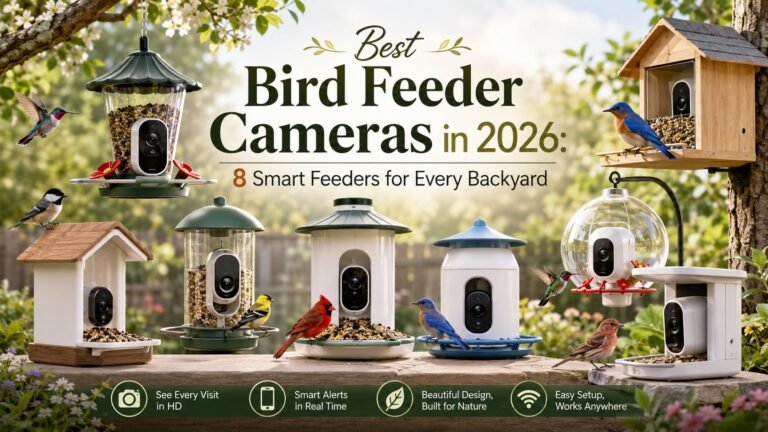
At its core, a bird feeder camera is a regular feeder built with an integrated camera module, motion sensor, and Wi-Fi connectivity. Here’s what typically makes up the system:
- A motion or weight sensor that detects when a bird lands
- A built-in camera that captures photos or short video clips
- A companion mobile app for viewing footage in real time
- AI-based species recognition in many premium models
- Solar panels or rechargeable batteries for power
👉 See top-rated smart bird feeder cameras on Amazon
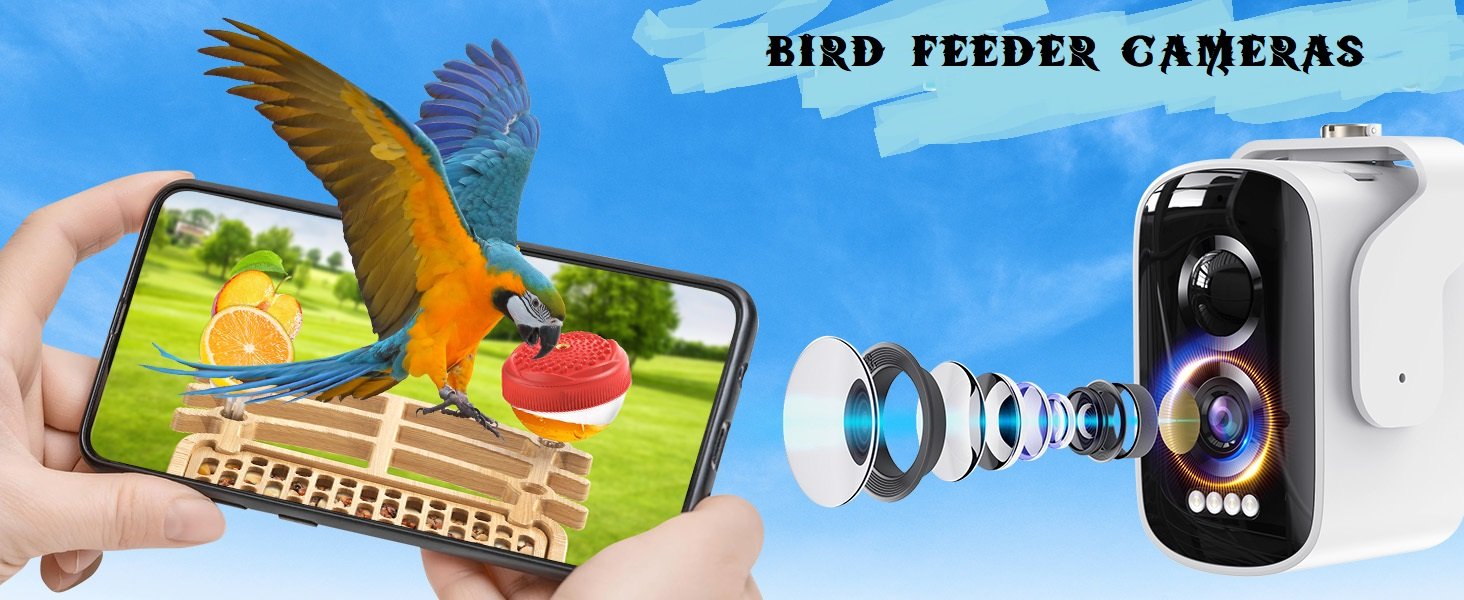
When a bird lands on the perch, the sensor triggers the camera, capturing the moment instantly and sending a notification straight to your phone. Some advanced models can even tell you the exact species, complete with fun facts — turning your backyard into a personal nature documentary.
Why You Should Consider a Bird Feeder Camera
1. Never Miss a Visitor Again
The biggest advantage of a bird watching camera is simple — you don’t have to be watching in real time to catch the moment. The device does the watching for you, capturing every visit automatically.
2. Learn More About Local Wildlife
Many bird feeder cameras come with AI species identification, helping you learn which birds are actually visiting your yard. This turns casual feeding into an educational, ongoing discovery.
3. Great for Photography Enthusiasts
For anyone who enjoys nature photography, a feeder cam eliminates the need to sit still for hours waiting for the perfect shot. The camera captures high-resolution images automatically, often better than what you’d get trying to photograph birds yourself from a distance.
4. A Wonderful, Shareable Hobby
Many users love sharing their captured bird photos and videos with friends, family, or online birdwatching communities. It adds a fun, social element to what was once a quiet, solitary hobby.
What to Look for Before Buying a Bird Feeder Camera
Since not all bird feeder cameras are built the same, here are the key factors worth checking before you buy.
Camera Resolution and Image Quality
Look for at least 1080p resolution for sharp, clear photos and videos. Higher-end models offering 2K or higher provide noticeably better detail, especially when zooming in on smaller birds.
👉 Compare high-resolution bird feeder cameras
Power Source: Solar vs. Battery
Solar-powered models are convenient for long-term outdoor use since they recharge automatically, while battery-only models require manual charging every few weeks. If your yard gets good sunlight, a solar option can save a lot of maintenance hassle.
AI Bird Recognition Accuracy
Not all AI recognition systems are equally reliable. Reading user reviews about identification accuracy can help you avoid a device that constantly misidentifies common species.
Weatherproofing
Since these cameras stay outdoors year-round, checking the device’s weather resistance rating is essential, especially if you live somewhere with heavy rain, snow, or extreme heat.
Storage and Subscription Requirements
Some bird feeder cameras require a subscription for cloud storage or advanced AI features, while others offer these features for free with local storage. Deciding which model fits your budget and privacy preference matters here.
👉 Browse subscription-free bird feeder cameras
Advantages of Using a Bird Feeder Camera
Let’s take a closer look at the real benefits these devices bring to your daily routine.
- Automatic wildlife documentation: Every visit gets captured without you lifting a finger.
- Educational value: Great for families, especially kids learning about local bird species.
- Improved photography results: Capture sharp, close-up shots without expensive camera gear.
- Real-time notifications: Get instantly alerted whenever a bird visits, so you never miss the action.
- Relaxing, low-effort hobby: Enjoy birdwatching passively, even during a busy workday.
Disadvantages and Limitations to Keep in Mind
As with any smart device, there are a few trade-offs worth considering honestly before purchasing.
- Higher upfront cost: Camera-equipped feeders are noticeably more expensive than traditional ones.
- Battery or solar dependency: Poor weather or shaded yards can affect solar charging efficiency.
- Occasional false triggers: Wind, leaves, or squirrels can sometimes trigger unnecessary notifications.
- Subscription costs on some models: Certain premium AI or cloud-storage features may require ongoing payments.
- Wi-Fi dependency: Like most smart devices, performance depends heavily on a stable home network connection.
Knowing these limitations upfront helps set realistic expectations and avoids buyer’s remorse later.
Bird Feeder Cameras vs. Traditional Feeders: A Quick Comparison
A traditional feeder only does one thing — dispense food. A bird feeder camera, on the other hand, transforms that simple function into an interactive experience. Instead of occasionally glancing outside and hoping to spot something interesting, you get automatic photos, species identification, and instant notifications delivered straight to your phone. For anyone serious about backyard birdwatching, this upgrade genuinely changes the entire experience — not just an added convenience, but a completely new way to connect with nature.
Who Should Consider Buying One
- Birdwatching hobbyists who want to document every visitor
- Families looking for a fun, educational outdoor activity for kids
- Nature photography enthusiasts wanting easier, better shots
- Busy homeowners who still want to enjoy backyard wildlife
- Anyone looking for a unique, nature-lover gift idea
👉 Check out bird feeder cameras that make great gifts
Tips for Getting the Best Results From Your Bird Feeder Camera
Place the feeder in a well-lit area with a clear line of sight, avoiding heavy shade that could affect both solar charging and image quality. Keep it within strong Wi-Fi range for consistent notifications and smooth app performance. Refill the feed regularly, since consistent food availability encourages more frequent visits — meaning more photos and videos for you to enjoy. Finally, clean the camera lens periodically to avoid blurry shots caused by dust, pollen, or rain residue.
Conclusion
All things considered, a Bird Feeder Camera turns an everyday backyard feeder into an engaging, rewarding hobby that fits effortlessly into a busy lifestyle. Just like Daniel, who went from missing every colorful visitor to building a personal gallery of stunning bird photos, this small upgrade can completely transform how you experience nature from home. While there are a few trade-offs to consider — cost, Wi-Fi dependency, and occasional false alerts — the benefits of automatic documentation, learning, and daily wildlife connection make it a worthwhile investment for bird lovers of all kinds.
So if you’ve ever wished you could catch every fleeting visitor to your backyard, a bird feeder camera might just be the perfect next addition to your outdoor setup.